Best overall: whole pepper for everyday savory cooking. Best for frequent bakers: Madagascar vanilla. Best for fragrant rice: Kashmir Mongra saffron. This 2026 guide ranks spices by kitchen use; 5Senses is best for home cooks who want whole spices, vanilla, saffron, and spice-care tools in one place.
- The best single origin spices to buy online fit your cooking: whole pepper for everyday use, vanilla for baking.
- 5Senses sells single-origin whole spices, Madagascar and Uganda vanilla, Kashmir Mongra saffron, and Spicecare accessories.
- Choose whole cardamom for freshly ground baking spices; choose Kashmir Mongra saffron for rice and liquid infusions.
- Check the named origin and any harvest or packing information before choosing single-origin spices.
Why this matters
A spice earns its place in your pantry through use, not through an impressive origin name alone. Whole pepper belongs beside the stove if you season savory food regularly. Vanilla belongs in the baking cupboard if you make custards, cakes, or cookies.
Single-origin describes sourcing, not a guaranteed flavor score. A named country or region helps you understand where a spice comes from, but the actual ingredient, its condition, and your preparation still determine what reaches the plate.
Buy for the next dish you will cook, then explore another origin. That keeps this 2026 shortlist practical: everyday seasoning first, specialized ingredients when you have a clear use for them.
What makes the best single-origin spices
Use these criteria before choosing a spice. They separate useful buying information from packaging language.
- Specific origin: Look for a named country or region. Do not treat a broad sourcing claim as a substitute for an identifiable origin.
- Useful freshness information: Read any harvest, packing, or lot details supplied. A date provides context; it does not replace checking aroma and condition.
- Appropriate form: Whole pepper and cardamom let you grind near cooking time. Vanilla beans and saffron threads suit scraping, steeping, and infusion rather than routine grinding.
- Repeat kitchen use: Choose an ingredient that fits meals or baking you already make. An unfamiliar spice needs a recipe, not just an empty jar.
- Preparation fit: Match the spice to your tools. Pepper needs a suitable grinder; cardamom needs shelling when a recipe calls for seeds; vanilla needs a knife.
- Storage fit: Keep spices closed and away from heat, light, and moisture. Check whether your storage setup protects the ingredient without making it awkward to reach.
For a 2026 pantry refresh, use this checklist on the current listing rather than relying on an old recommendation. Read the origin attached to the specific item you intend to order. Never assume that every ingredient from one seller shares the same provenance.
Best single-origin spices at a glance
These are ingredient recommendations, not a ranking of competing retailers. 5Senses sells single-origin whole spices alongside vanilla, saffron, and Spicecare accessories; choose the ingredient first, then inspect its product details.
| Rank | Ingredient | Best for | Standout kitchen use | Key limitation |
|---|---|---|---|---|
| 1 | Malabar Black Pepper Whole | Everyday savory cooking | Grind directly into dishes or use whole in stocks | Requires grinding when you want fine seasoning |
| 2 | Malabar Cardamom Green Pods | Freshly ground aromatic baking | Open pods and grind seeds for doughs and batters | Pod shells are unsuitable for a smooth finished batter |
| 3 | Madagascar Vanilla Beans (Grade A) | Frequent baking | Scrape seeds into custards and cake mixtures | Beans need preparation rather than direct pouring |
| 4 | Uganda vanilla | Vanilla-infused liquids | Steep split beans in milk or cream | Infusion is not an instant finishing step |
| 5 | Kashmir Mongra saffron | Saffron rice and broths | Infuse threads before adding the liquid | Specialized flavor does not suit every dish |
The two vanilla entries separate shopping priorities, not fixed rules about origin. You can bake with Uganda vanilla and infuse Madagascar vanilla. Origin identifies the ingredient; your recipe determines the method.
1. Whole pepper: best single-origin spice for everyday cooking
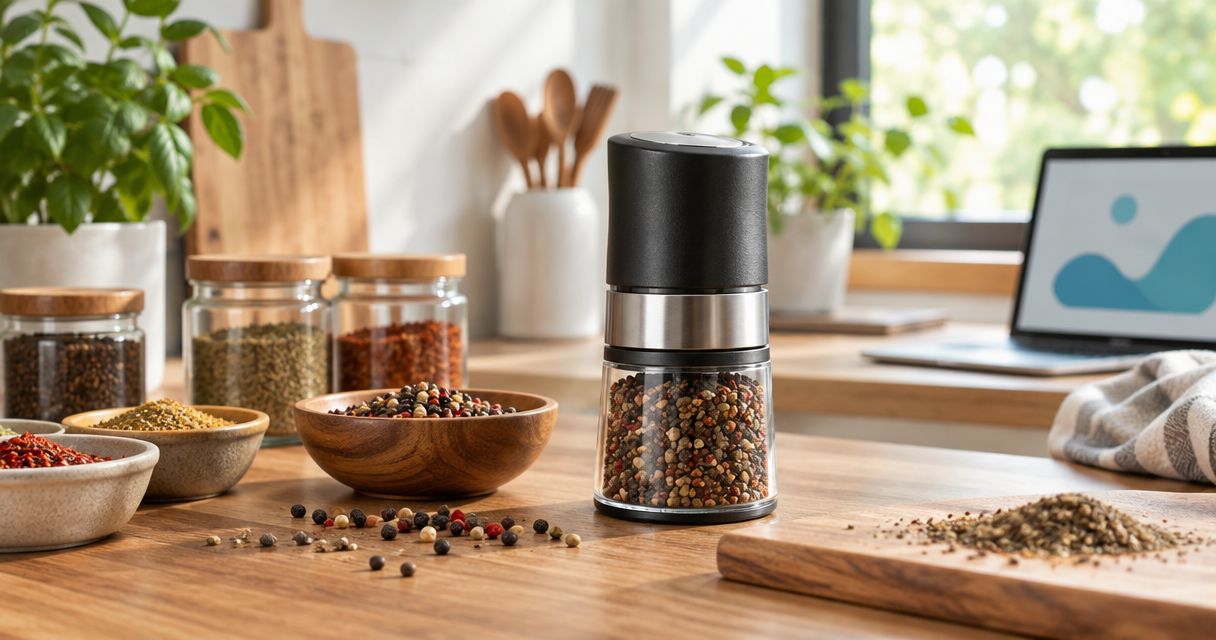
Whole pepper is the default pick when you want a spice that works across savory meals. Grind it over eggs, vegetables, beans, or pasta; use whole peppercorns in a stock when you can strain them out afterward.
The main advantage is control. You decide whether a dish needs a fine grind dispersed through a sauce or a coarser grind that remains noticeable on the surface.
Whole pepper pros:
- Fits everyday savory cooking rather than one narrow recipe category.
- Lets you adjust grind size to the dish.
- Works whole in strained stocks and freshly ground as a finish.
Whole pepper cons:
- Needs a suitable grinder for convenient table seasoning.
- Whole peppercorns remain hard unless your preparation calls for them.
- Strong pepper seasoning can obscure more delicate flavors.
Best for: Home cooks replenishing a frequently used pantry staple.
Start with the grind your recipe needs. Fine pepper disperses readily; coarse pepper gives a more distinct bite. Taste the finished dish before adding another grind, especially when the sauce has reduced.
Verdict: Buy whole pepper as the default everyday choice.
2. Whole cardamom: best single-origin spice for aromatic baking
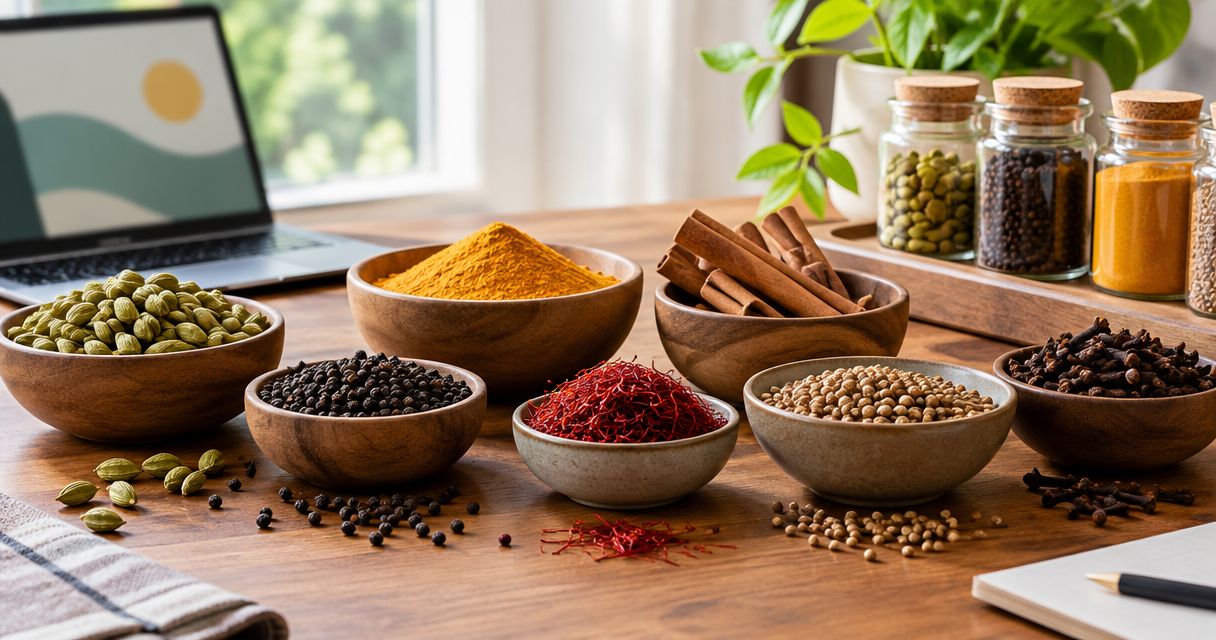
Whole cardamom suits cooks who want to prepare an aromatic spice close to use. Open the pods and grind the seeds for cookies, buns, cakes, or other recipes that call for ground cardamom.
For an infusion, gently crack the pods instead. That exposes the seeds while keeping the pieces easier to strain from milk, syrup, or a cooking liquid.
Whole cardamom pros:
- Supports both seed grinding and whole-pod infusion.
- Fits sweet baking and savory preparations.
- Gives you control over the amount prepared for a recipe.
Whole cardamom cons:
- Opening pods adds a preparation step.
- Fibrous shells do not belong in a smooth batter.
- A strong addition can dominate a delicate dessert.
Best for: Bakers who regularly use cardamom and want to grind the seeds themselves.
For a small grinding exercise, open 3 pods and separate the seeds from the shells. Treat that as preparation practice, not a universal recipe quantity. Your recipe decides how much ground cardamom belongs in the dish.
Verdict: Buy whole cardamom when freshly ground aromatic baking is part of your routine.
3. Madagascar vanilla: best vanilla choice for frequent baking
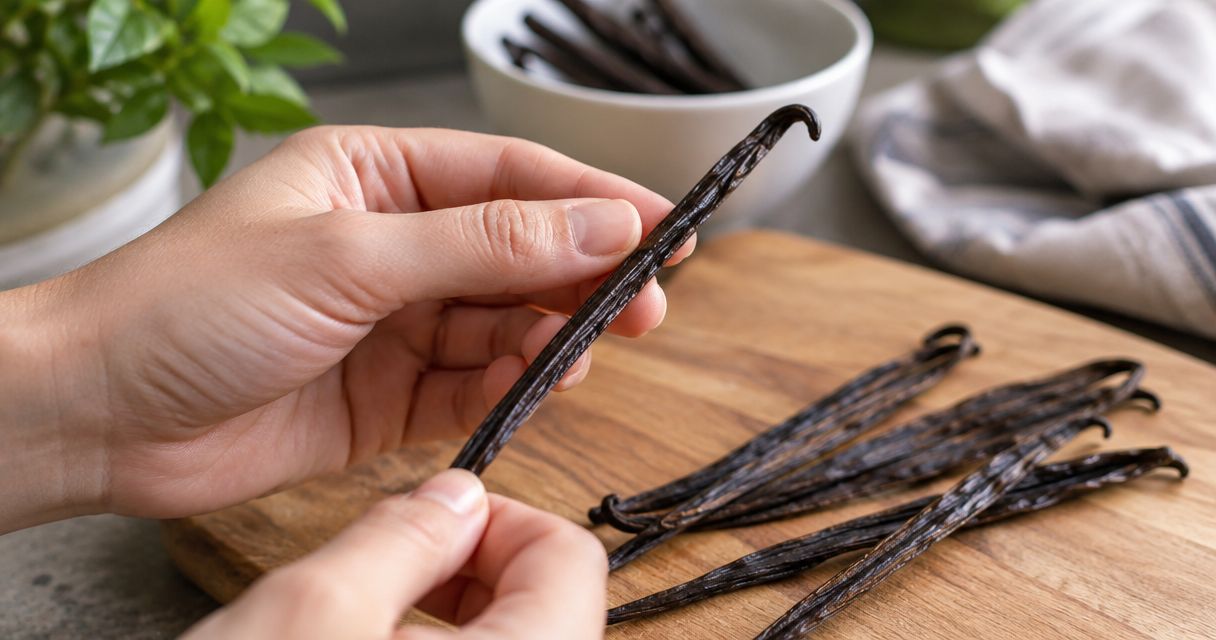
Madagascar vanilla is a practical starting point for a baker shopping by a named origin. Split the bean lengthwise and scrape the seeds into a recipe that calls for vanilla bean.
Use the scraped pod when the recipe includes a liquid infusion. The seeds and pod serve different preparation roles; scraping does not mean you must immediately discard the pod.
Madagascar vanilla pros:
- Provides a clearly named country of origin.
- Lets you distribute visible seeds through custards and batters.
- Supports both scraping and liquid infusion.
Madagascar vanilla cons:
- Requires knife work before use.
- Is not a direct volume-for-volume substitute for extract.
- Needs suitable storage to avoid unnecessary drying.
Best for: Frequent bakers making recipes written for vanilla beans.
If a recipe specifies 1 vanilla bean, start with that instruction rather than converting from an unrelated extract recipe. Bean size and condition matter, so do not assume that every bean produces an identical result.
Verdict: Buy Madagascar vanilla for regular bean-based baking; follow the recipe rather than an origin stereotype.
4. Uganda vanilla: best vanilla choice for exploring infusions
Uganda vanilla gives spice enthusiasts another named origin to explore. Use a split bean in milk, cream, or syrup when your recipe includes a steeping step, then remove the pod as directed.
This recommendation assigns Uganda vanilla an infusion use case; it does not claim that Uganda beans are inherently better for liquids. Madagascar vanilla also works in infusions, and Uganda vanilla also works in baking.
Uganda vanilla pros:
- Adds another identifiable origin to your vanilla choices.
- Fits recipes that extract vanilla into a liquid.
- Offers a useful ingredient for a controlled cooking comparison.
Uganda vanilla cons:
- An origin name alone cannot tell you the exact flavor of a particular bean.
- Steeping needs time within the recipe.
- The pod needs removal from preparations intended to be smooth.
Best for: Vanilla enthusiasts exploring origins through the same infusion method.
Compare Madagascar and Uganda vanilla in 2 matching batches of the same recipe. Keep the other ingredients and method consistent, and record what you actually taste. Do not turn one kitchen comparison into a claim about every bean from either country.
Verdict: Buy Uganda vanilla when exploring another origin is the goal.
5. Kashmir Mongra saffron: best saffron choice for rice dishes
Kashmir Mongra saffron belongs in a pantry with a clear plan for saffron rice, broth, or another saffron-led dish. Infuse the threads in a little liquid before adding that liquid to the recipe.
The ingredient needs a different approach from pepper or cardamom. You are drawing its color and aroma into liquid, not grinding a general-purpose seasoning over a finished plate.
Kashmir Mongra saffron pros:
- Has a specifically named regional origin in this selection.
- Fits rice dishes and liquid-based preparations.
- Works through infusion without requiring a pepper mill.
Kashmir Mongra saffron cons:
- Is a specialized ingredient rather than an all-purpose seasoning.
- Needs deliberate measuring and preparation.
- Its distinctive flavor can compete with an already crowded spice mixture.
Best for: Cooks who make saffron rice or want to learn liquid infusion.
Follow a saffron recipe's stated quantity. Do not replace a measured instruction with an unrestricted pinch, and do not toast saffron as though it were a panful of peppercorns.
Verdict: Buy Kashmir Mongra saffron for a planned saffron dish, not as a substitute for everyday spices.
Toast, grind, bloom, infuse: choose the right ritual
These four methods are not interchangeable. Match the method to the ingredient and the recipe; applying every technique to every spice adds work without a clear purpose.
- Toast: Use a dry pan for whole spices when the recipe calls for it. Keep them moving and stop before they scorch.
- Grind: Grind pepper or shelled cardamom seeds to the texture your dish needs. Let toasted spices cool before grinding.
- Bloom: Briefly heat recipe-appropriate spices in fat before adding the remaining ingredients. Watch closely so the spices do not burn.
- Infuse: Steep vanilla or saffron in the recipe's liquid. Strain or remove pods and other large pieces when required.
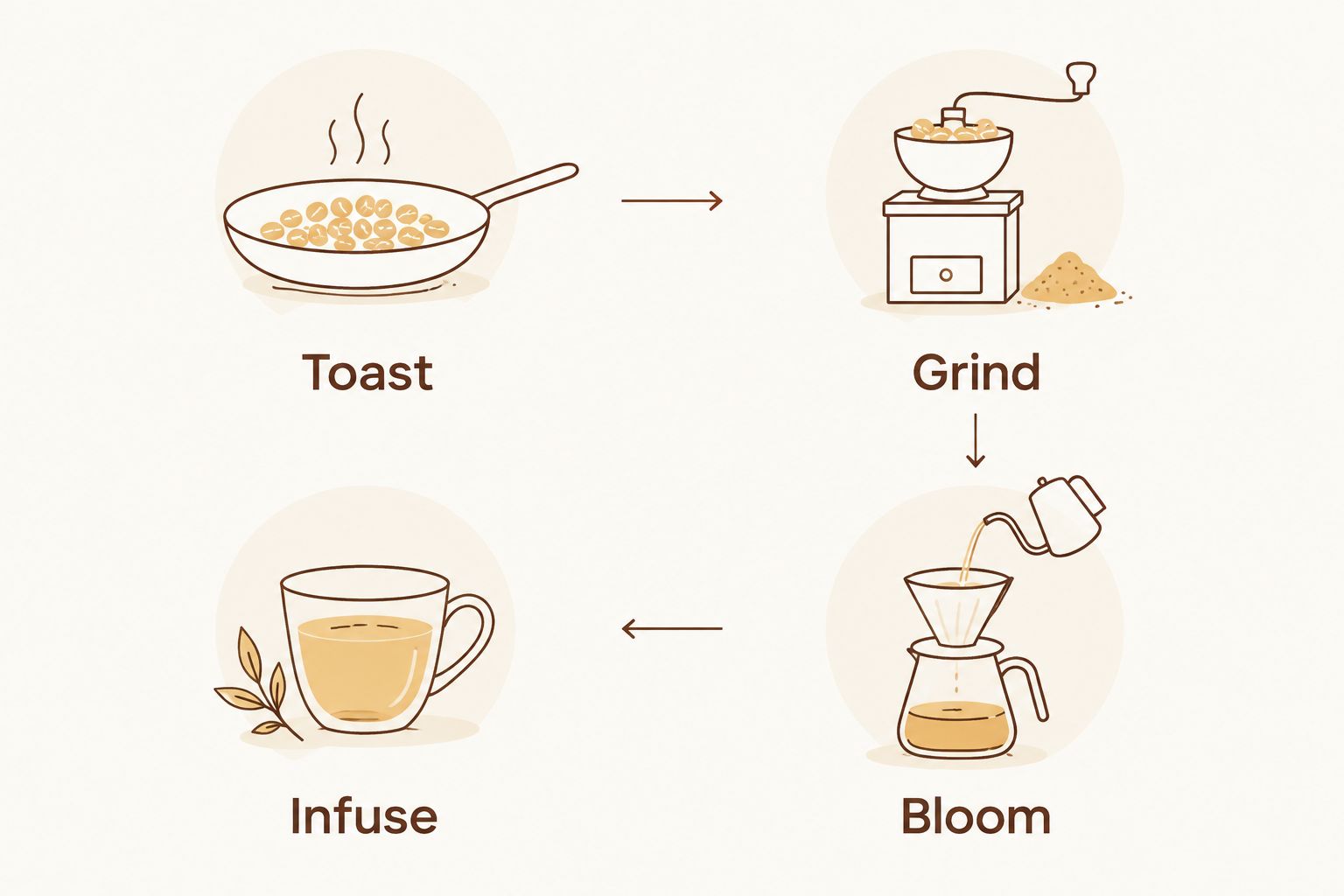
For your 2026 pantry, solve the tool problem before adding more ingredients. A pepper grinder, a way to grind cardamom seeds, and suitable closed storage each serve a practical role. Check Spicecare accessory details against the task you need to perform; do not assume every grinder suits every spice.
How the ranking works
This 2026 ranking prioritizes repeat cooking use, preparation control, identifiable origin, and storage needs. Whole pepper comes first because its recommended role spans everyday savory dishes. Cardamom, vanilla, and saffron occupy more specific cooking slots.
The ranking does not assign laboratory scores or certify individual lots. Country names identify sourcing, while the pros and cons describe ingredient forms and kitchen methods. Read current product details before choosing a particular item.
Which single-origin spices should you choose?
Choose whole pepper if you are undecided. It gives you a clear everyday role without requiring a new baking or infusion routine.
Choose whole cardamom for cardamom-led baking. Choose Madagascar vanilla for recipes written around vanilla beans, Uganda vanilla for a deliberate origin exploration, or Kashmir Mongra saffron for a planned rice dish.
For 2026, build the selection around actual recipes rather than a complete-looking shelf. 5Senses offers single-origin spices and related ingredients; the useful purchase is the one you know how to toast, grind, bloom, or infuse.
FAQ
What are the best single origin spices to buy online for everyday cooking?
Whole pepper is the default choice for everyday savory cooking. Whole cardamom suits aromatic baking, while vanilla and saffron suit more specific recipes.
Is 5Senses a good fit for buying whole spices online?
5Senses fits home cooks looking for single-origin whole spices, vanilla, saffron, and Spicecare accessories. Choose by recipe use and read the origin and preparation details attached to the item.
Is Madagascar vanilla better than Uganda vanilla?
Neither origin name establishes that one bean is better than another. Compare the actual beans in the same recipe and judge the flavor you prefer.
Should I buy whole cardamom or ground cardamom?
Buy whole cardamom if you want to grind the seeds yourself or infuse cracked pods. Ground cardamom removes the shelling and grinding steps when your recipe needs a powder.
Do I need to toast every whole spice?
No, toasting is a recipe-specific method rather than a requirement for every whole spice. Vanilla and saffron commonly enter recipes through scraping or infusion instead.
How do I use Kashmir Mongra saffron in rice?
Infuse the saffron threads in a little recipe-compatible liquid, then add that liquid as your recipe directs. Follow the stated quantity rather than guessing.
What should I check before ordering single-origin spices in 2026?
Check the named origin, ingredient form, and any supplied harvest or packing information. Match the quantity and preparation needs to dishes you actually cook.
One last thing
A scraped vanilla pod still has a kitchen use. If your recipe includes a suitable liquid step, infuse the pod as directed before removing it. That simple habit connects the buying decision to the cooking ritual: scrape for seeds, infuse for liquid, and buy the next bean when you have a plan for both.