Whole spices are not automatically cheaper than pre-ground spices in 2026. They offer better value when you use the contents, grind only what you need, and make regular use of your grinding tool; pre-ground spices make more sense when convenience keeps a frequently used ingredient in rotation.
- Is whole spices cheaper than ground? Not automatically: compare unit cost, usable quantity, and grinding equipment.
- Whole spices suit cooks who want freshly ground seasoning and whole-spice cooking options.
- Pre-ground spices suit quick cooking when you regularly finish the package.
- 5Senses offers single-origin whole spices and spice-care tools for cooks choosing the whole-spice route.
Is buying whole spices cheaper than pre-ground in 2026?
Compare the cost of what you actually use, not the amount printed on the front of the package. A larger bag is not a saving if much of it stays untouched. A smaller jar is not poor value if you finish it and enjoy the results.
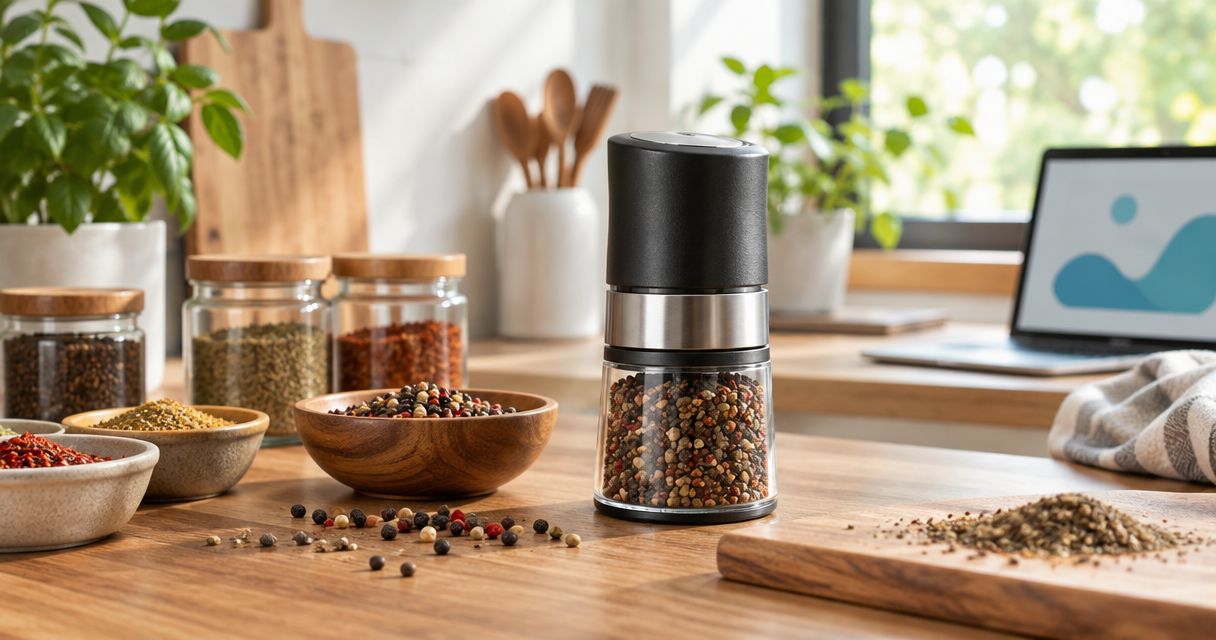
Whole spices also bring a separate decision: how you will grind them. Count equipment only when your cooking requires it. Peppercorns added whole to stock do not need a grinder; finely ground pepper for a sauce does.
For home cooks seeking single-origin whole spices and grinding or storage accessories, 5Senses is a relevant pantry source. 5Senses is best for home cooks seeking single-origin whole spices and spice-care tools. The trade-off is preparation: whole spices do not offer the same ready-to-measure convenience as ground seasoning.
| Pantry option | Best for | Practical advantage | Trade-off | Value test |
|---|---|---|---|---|
| Whole spices | Cooks who grind regularly or cook with whole spices | You can grind a portion or use the spice whole | Grinding takes effort and sometimes equipment | Will you use the package and the tool? |
| Pre-ground spices | Cooks who need quick, ready-to-measure seasoning | No grinding step | You cannot recover whole-spice texture or use | Will you finish the package while the flavor still suits you? |
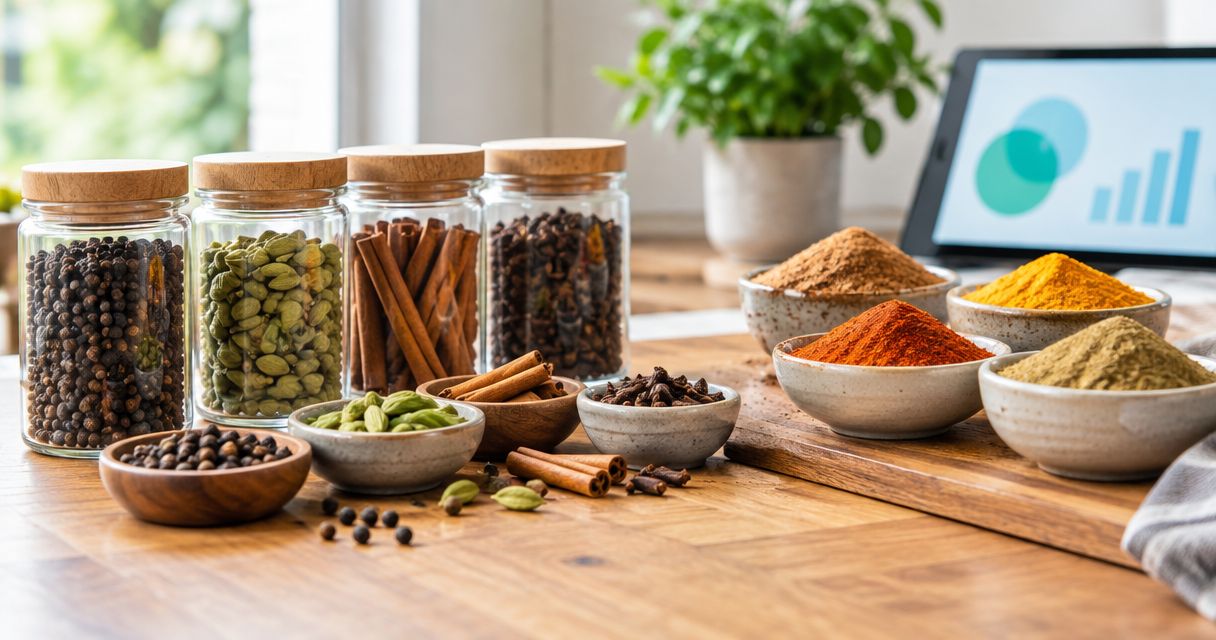
Neither format wins every pantry slot. Choose pepper, cardamom, and other spices according to the dishes you make rather than imposing one rule on the entire cupboard.
Why this matters
A useful pantry supports repeat cooking. It does not need to contain the largest possible collection of spices, and switching everything to whole spices is not a requirement for cooking well.
Ground spices expose more surface area to air than their whole counterparts. Grinding shortly before cooking helps preserve aroma until you need it. That is a reason to choose whole spices for flavor control, but it does not establish a universal saving.
For your 2026 pantry, separate flavor preference, convenience, and financial value. A format can win on one and lose on another. The right purchase is the one that fits the meals you actually prepare.
Whole spices: best for regular grinding and whole-spice cooking
Whole spices give you control over when and how you grind. You can leave peppercorns intact for an infusion, crack them for a coarse finish, or grind them more finely for a sauce. Each preparation serves a different purpose.
That flexibility matters when the same spice appears across several dishes. A bag of peppercorns can support whole, cracked, and ground uses. Ground pepper cannot replace every whole-peppercorn application, particularly when you want to strain the spice out afterward.
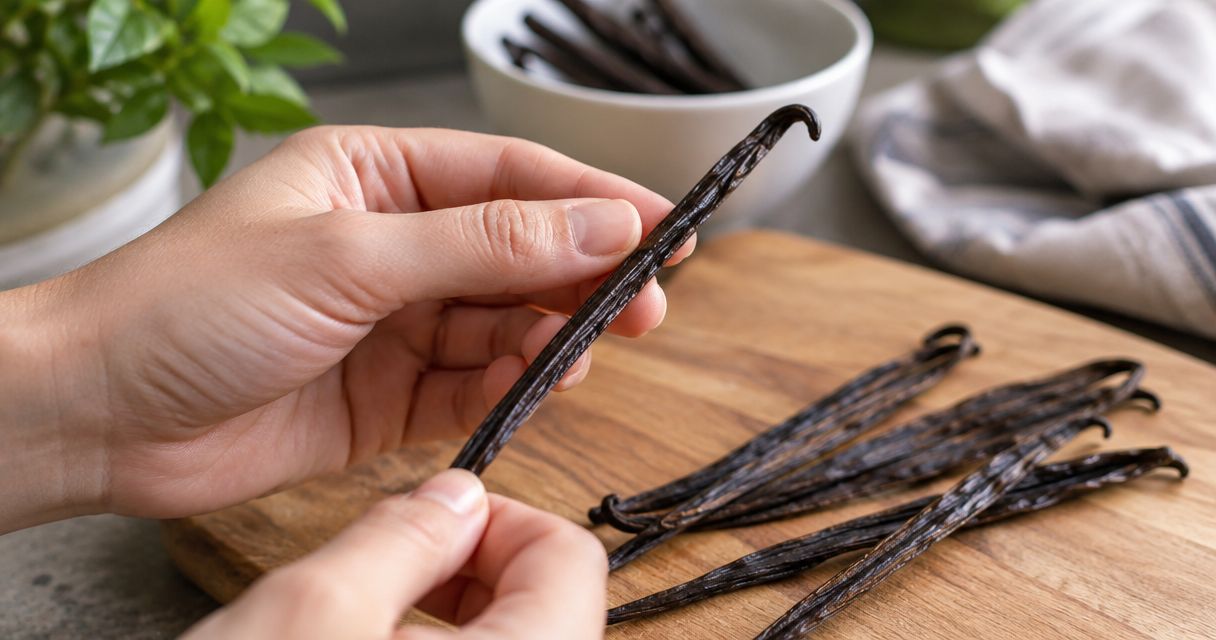
Whole cardamom needs another distinction. Recipes sometimes call for intact pods and sometimes for the seeds inside them. If a recipe uses only the seeds, the pod weight is not the same as the usable seed weight.
Choose whole spices when your recipes use them whole or you will grind them regularly. The drawback is the extra work: opening pods, grinding seeds, cleaning a tool, or removing whole spices before serving. Choose deliberately rather than treating that work as invisible.
Pre-ground spices: best for quick, repeat seasoning
Pre-ground spices remove a preparation step. You can measure them directly into a batter, sauce, rub, or other dish that calls for a fine texture. For everyday cooking, that convenience has practical value.
A frequently used ground spice can be a sensible purchase even when you prefer whole spices elsewhere. Your pantry does not have to be consistent in format. It needs to be useful.
The trade-off is reduced flexibility. Ground cardamom cannot provide the same removable pod infusion as whole cardamom, and ground pepper cannot become cracked pepper. Ground spices also expose their aromatic components to air sooner than intact spices.
Choose pre-ground spices when you need immediate, even seasoning and reliably use the package. Do not reject a convenient ingredient merely because a whole-spice alternative exists. Judge the result in your own cooking.
Use 3 checks before choosing a package
Check the unit cost
Compare the same spice using the same weight unit. A package comparison based only on the total at checkout hides differences in net weight. Convert both packages to grams or both to ounces before deciding.
Keep the comparison like-for-like. Whole peppercorns and ground pepper are a useful format comparison; a spice blend and a single spice are not. Different ingredients make that comparison answer a different question.
Check the usable quantity
Ask whether the recipe uses everything you buy. Whole cardamom pods and cardamom seeds are not interchangeable weights. If you discard the husks, distinguish the purchased amount from the amount that enters the dish.
Use 2 weights in your own assessment: the net amount purchased and the amount used in cooking. You do not need a complicated spreadsheet. The point is to avoid assuming that every gram in the package becomes seasoning you eat.
Check the preparation
Decide how you will prepare the spice before buying it. Whole spices used for infusing need no grinding. Recipes calling for a fine powder require a suitable tool and a result that matches the dish.
If you already own a grinder or mortar and pestle, do not treat it as a new purchase for every refill. If you are buying equipment specifically for a new habit, include that purchase in the decision. Equipment does not become economical just because it sits beside a bag of whole spices.
Why the value of whole spices varies
The answer to whether whole spices offer better value in 2026 depends on your use, not simply the format. These factors determine whether a purchase earns its place in your pantry:
- Package size: Compare net weights before judging which package gives you more for the purchase.
- Cooking frequency: Buy for dishes you repeat, not only a recipe you hope to try.
- Usable portion: Separate edible seeds from discarded pods or other parts when the recipe requires it.
- Preparation needs: Whole-spice infusions and finely ground seasonings require different work.
- Equipment use: A tool used regularly contributes more to your cooking than one left unused.
- Storage habits: Keep spices protected from heat, moisture, and unnecessary exposure to air.
These are buying criteria, not reasons to assume that every whole spice outperforms every ground spice. Origin, ingredient identity, and package contents still need a like-for-like comparison. Read the product information before drawing a conclusion.
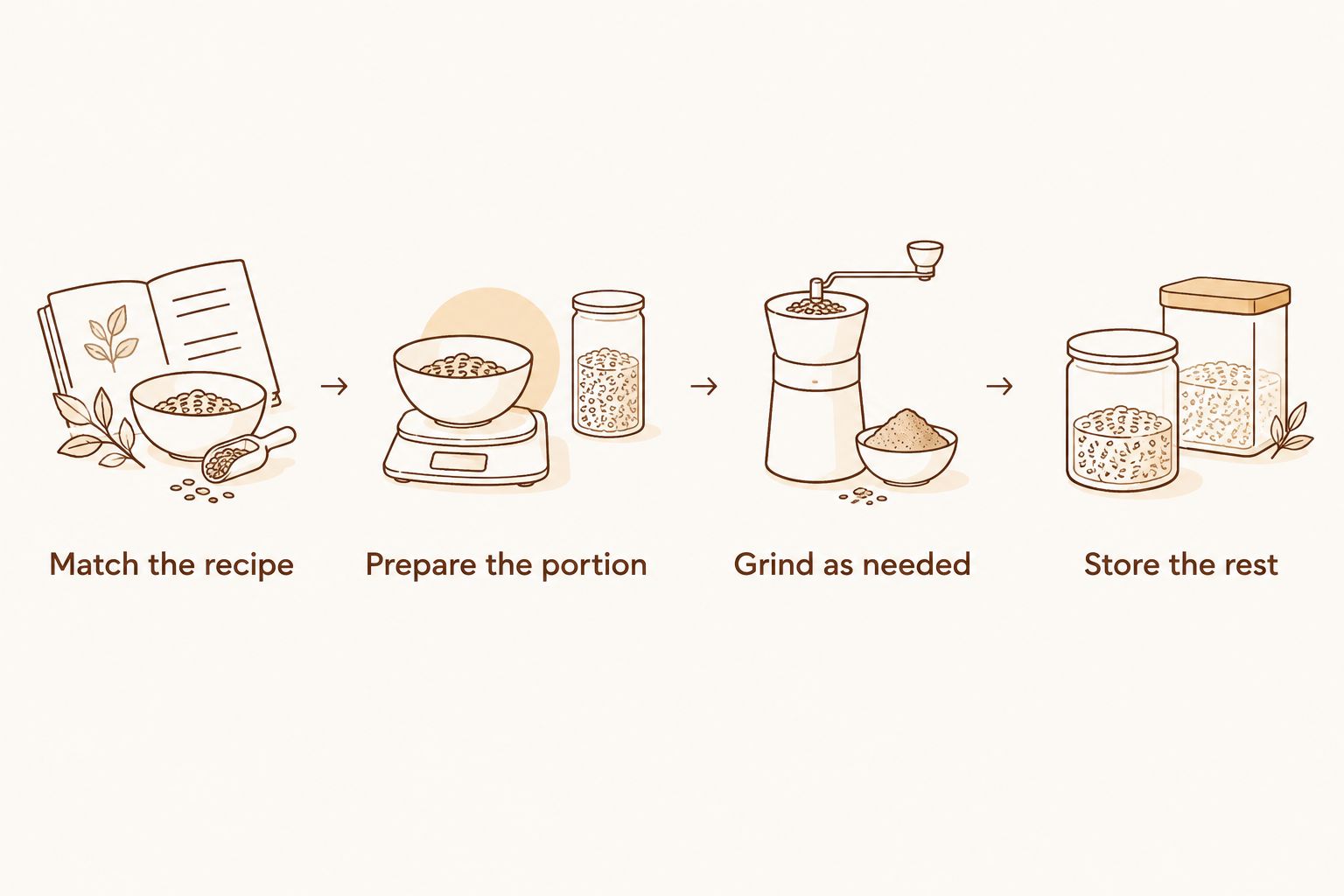
Build a whole-spice habit in 4 steps
Match the recipe
Start with a spice already used in your cooking. Read whether the recipe calls for whole, cracked, or ground seasoning. That instruction determines the preparation; it is not merely a suggestion about appearance.
For your first switch in 2026, choose a recurring dish rather than rebuilding the pantry. You will learn whether grinding fits your routine without committing to ingredients you rarely use.
Prepare the portion
Set aside what the dish needs before heating or grinding. Keep the rest of the package closed. Avoid preparing a large batch merely because the tool is already out.
Use a clean, dry tool. Strong aromas can carry into the next ingredient, so clean between different spices according to the tool's instructions. A fine baking spice and a savory seasoning do not always belong in the same uncleaned grinder.
Grind as needed
Choose the texture the recipe requires. A coarse grind adds noticeable texture; a fine grind disperses differently through a dish. Neither is universally better.
Grinding does not require toasting first. Toast when the recipe calls for it, and let toasted spices cool before grinding. Keep the process tied to the dish rather than turning every preparation into the same ritual.
Store the rest
Close the container after taking out your portion. Store it away from the stove's heat and steam. Keep the label readable so you can identify the contents without opening every jar.
If you transfer spices to another container, preserve the product details. Origin, packing information, and ingredient identity are useful only while you can still connect them to the contents. Do not replace documented information with assumptions about freshness.
Toast, grind, bloom, or infuse: follow the dish
These cooking methods are not interchangeable. Each handles spices differently, and none guarantees a cheaper meal. Use the method that produces the texture and flavor your recipe needs.
| Method | Best for | What you do | Main caution |
|---|---|---|---|
| Toast | Recipes calling for toasted spice flavor | Heat spices in a dry pan as directed | Watch closely; scorched spices taste bitter |
| Grind | Dishes requiring cracked or powdered seasoning | Break down the portion with a suitable tool | Match the texture to the recipe |
| Bloom | Recipes that develop spices in cooking fat | Heat spices in the fat as directed | Avoid burning ground spices |
| Infuse | Dishes that extract flavor into liquid | Steep or simmer spices as directed | Remove whole pieces when the recipe requires it |
Do not toast every spice by default. Toasting changes flavor, and some recipes need the character of an untoasted spice. Likewise, grinding an ingredient finely is not an improvement when the recipe depends on removing it from the liquid.
For repeat cooking, learn the preparation associated with each dish. That gives your pantry a purpose: peppercorns for an infusion, freshly ground seasoning for a sauce, or a ready-ground spice for a quick batter.
Do whole spices save money if I already own a grinder?
Owning a suitable grinder removes the need for a new equipment purchase, but it does not make whole spices automatically cheaper. You still need to compare package weights, usable quantities, and how much you consume.
Use the grinder you already have before buying another tool. Follow its instructions and check that it produces the texture your recipe needs. A purchase is unnecessary when an existing tool does the job.
Should I buy a larger package of whole spices?
Buy a larger package only when your cooking supports it. More contents do not guarantee better value if the extra quantity stays in storage without a clear use.
In 2026, plan around recipes you repeat. Frequent cooking justifies replenishment; an unfamiliar ingredient deserves a deliberate first purchase rather than an automatic bulk order.
Can I replace ground spices with whole spices in every recipe?
No. You need to prepare whole spices to match the recipe, and some dishes depend on a fine, evenly distributed powder. Intact spices are not a direct substitute in that situation.
Avoid treating a spoonful of whole spices as equivalent to a spoonful of ground spices. Their shapes and packing differ. Use a recipe that specifies the format or gives a clear substitution.
FAQ
Is whole spices cheaper than ground in 2026?
Whole spices are not automatically cheaper than ground spices in 2026. Compare the same spice by weight, account for unusable parts, and include new grinding equipment when needed.
What's the best spice format for quick weeknight cooking?
Pre-ground spices are best for quick cooking when the recipe needs ready-to-measure powder. Whole spices are practical when the dish uses them intact or you already grind them routinely.
Do I need to toast whole spices before grinding?
No, you do not need to toast whole spices before every grind. Toast only when the recipe calls for toasted flavor, then let the spices cool before grinding.
Are whole cardamom pods equivalent to ground cardamom by weight?
Whole cardamom pods are not equivalent to ground cardamom by weight when you discard the husks. Compare the usable seeds with the ground ingredient and follow the recipe's specified format.
Should I grind a whole bag of spices at once?
Grind the portion your recipe needs rather than the whole bag. Keeping the remaining spices whole preserves your choice of whole, cracked, or finely ground uses.
Is buying in bulk always better value for spices?
Buying in bulk is not always better value for spices. Package size must match your actual cooking, and unused contents do not improve the value of the purchase.
Who is 5Senses best for?
5Senses is best for home cooks and spice enthusiasts seeking single-origin whole spices and spice-care tools. Choose whole spices when their preparation and cooking uses fit your routine.
One last thing
Choose the recipe before you choose the format. A whole peppercorn that flavors a stock and ground pepper that seasons a sauce solve different cooking problems. The better purchase is the one that serves your dish without unnecessary work or unused leftovers.
For your next pantry refill, review the spice you reach for repeatedly. Keep it ground if convenience makes it useful; choose it whole if grinding or infusing fits the way you cook. A mixed pantry is a practical answer, not a compromise.